
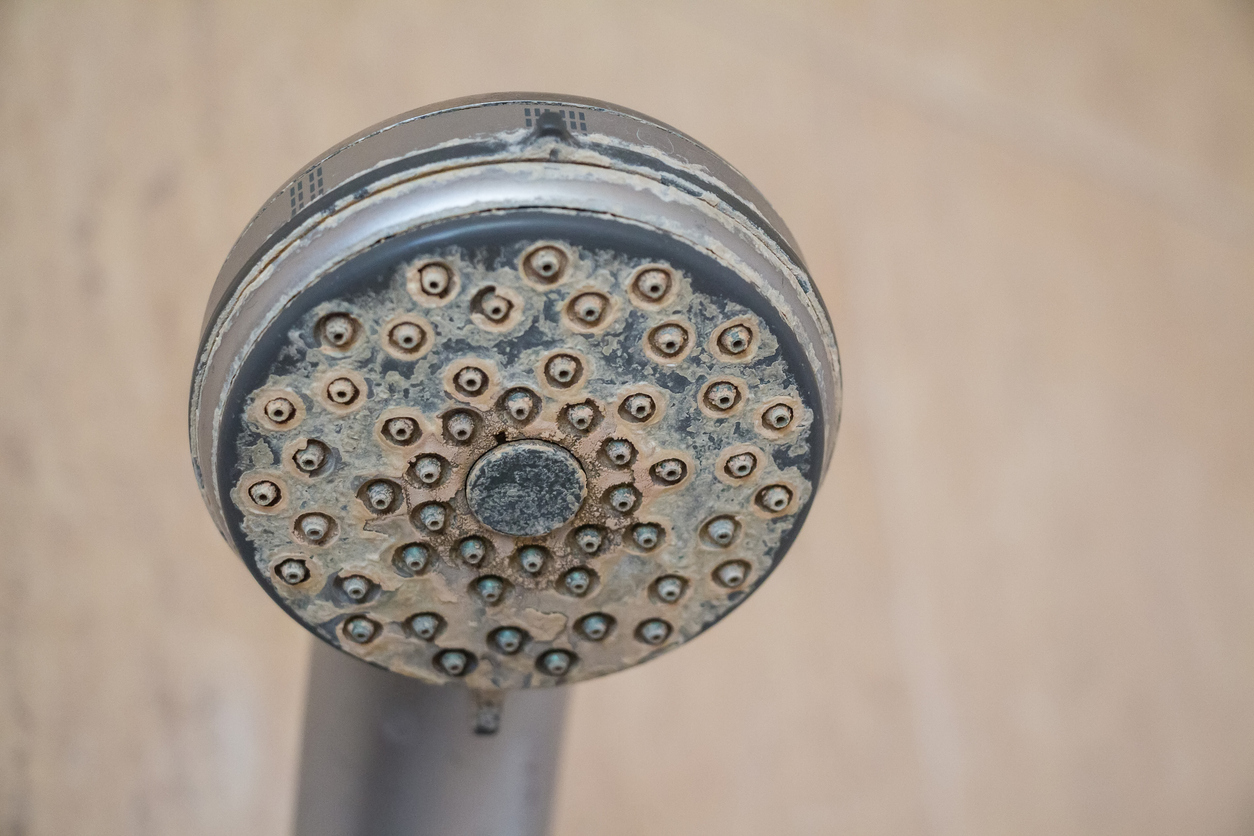
Melbourne’s hard water is a sneaky culprit that’s quietly wreaking havoc on plumbing systems across homes in Brevard County. If you’ve noticed white, chalky buildup on your faucets, reduced water pressure, or skyrocketing utility bills from inefficient appliances, hard water could be the hidden destroyer behind your pipes.
Hard water isn’t called that on accident. The amount of minerals and other matter within the water gives it a “rough” feeling on the skin. Florida is notorious for having hard water.
In Melbourne, FL, our municipal water supply draws from local sources like groundwater and surface water, resulting in extremely hard water—often measured around 17.1 grains per gallon (GPG) or roughly 290+ ppm (parts per million) of calcium and magnesium minerals. Hard water is also hard on your pipes.
Lime build-up over time can coat the inside of your pipes leading to bad water flow and damaged or broken pipes. Your faucets and other fixtures within the home will be affected by hard water over time as well. It also takes more energy to heat hard water. Reduced efficiency and pipe/fixture damage are a main reason why so many people use countermeasures.
After you test your water and determine that is in fact hard water, you can do some things to help. The number one tool to combat this problem is having a water softener installed where at the water source. This way, all water which enters your home is “softened”.
If a full softener isn’t feasible (e.g., condo rules), electronic or magnetic descalers can help reduce buildup without removing minerals.

Space Coast Plumbing, Inc.
P.O. Box 121770
West Melbourne, FL 32912
Monday through Friday: 8am – 5pm, closed Saturday and Sunday
2026 Copyright © Space Coast Plumbing Inc.. All rights reserved.
Website Design by Olympusweb.com