
Owning a home can be a great thing. Having your own property is a great feeling and is usually a great investment too. But owning a home comes with its own set of drawbacks too. When something breaks you cannot simply jump on the phone with your landlord. You have to fix it yourself or pay a professional to do so.
A major cause for home repairs is faulty or failing plumbing. In fact, this is the #1 category as far as home repairs are concerned. We’ve created this blog in order to share the most common plumbing issues for residents living within the state of Florida. If you own a home for any period of times you will most certainly run into these issues.
Florida’s ground water is “hard” meaning it contains a lot of minerals. This may sound like a good thing at first, but it also means your pipes will suffer mineral buildup. It also means that your pipes corrode at a faster rate when compared with pipe corrosion in the 50 other states.
Keep those systems flushed out and look into investing in a house-wide reverse osmosis system.
In Florida, we typically build houses on a concrete slab. We do not have basements because our water table is so high. Pipes that run in and out of your home often run through or under this concrete slab. As a result, when there is a leak or breakage, the homeowner will often have to pay large sums of money to dig into the slab and repair or replace the pipe.
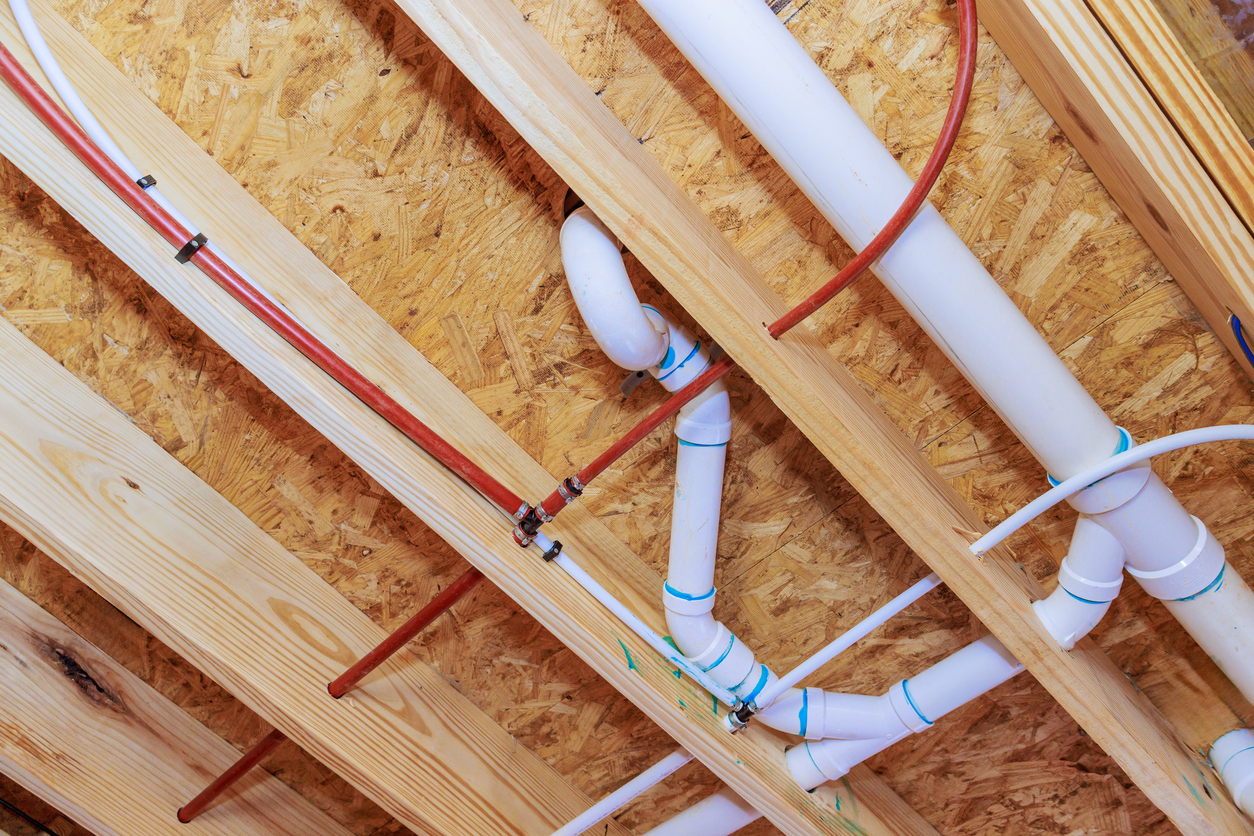
Re-piping is all the rage in Florida. This is where a plumber runs alternate water lines through the walls an attic completely bypassing the old pipe system located in the slab. It’s much more affordable than jackhammering into the base of your home.
One of the rainiest states in the Union, Florida will put your drainage systems to the test. These systems can often become overloaded and clogged. They may even require a professional to come to your home and get working again.
Prevention: Install a backflow preventer valve, keep trees trimmed away from sewer lines, and have your main line scoped every 1–2 years—especially before hurricane season.
Anyone who has had to deal with low water pressure knows how frustrating it can be. Addressing leaks and pipe build-up would be the first steps to take here.
Prevention: Test pressure (ideal is 40–80 PSI), install a pressure-reducing valve if too high, and address buildup/leaks promptly.
As mentioned previously, hard water is bad for your system. Your water tank will inevitably fill with sediment or hard water corrosion. Replacing a heater can be expensive. Preventative maintenance is your best friend when it comes to water heaters.
You should flush your heater tank at least once per year and twice per year is even better. It’s an easy process once you know what you are doing and have done it a few times.

Space Coast Plumbing, Inc.
P.O. Box 121770
West Melbourne, FL 32912
Monday through Friday: 8am – 5pm, closed Saturday and Sunday
2026 Copyright © Space Coast Plumbing Inc.. All rights reserved.
Website Design by Olympusweb.com